
How To Running An Ecommerce Business?

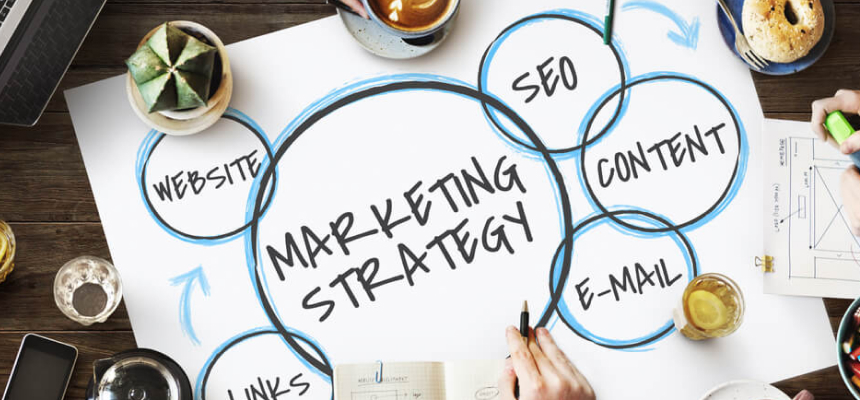
In today’s digital age, e-commerce businesses must leverage digital marketing strategies to stay ahead of the competition. With online shopping on the rise, having a solid digital marketing plan can significantly enhance brand visibility, customer engagement, and sales. In this guide, we will explore essential digital marketing techniques that can help e-commerce businesses thrive and How to running an ecommerce business?

The Ultimate Guide to Digital Marketing for E-Commerce: 

1. Search Engine Optimization (SEO)

SEO is a crucial component of digital marketing that helps improve the visibility of your e-commerce website in search engine results. By optimizing product descriptions, using relevant keywords, and improving website speed, you can enhance your search rankings. Furthermore, having high-quality backlinks and a mobile-friendly design can boost your website’s credibility.

On-Page SEO Strategies

  • Optimize product titles and descriptions with relevant keywords.
  • Use high-quality images with alt tags.
  • Improve site speed and mobile responsiveness.
  • Implement structured data markup to enhance search visibility.

Off-Page SEO Strategies

  • Acquire backlinks from authoritative websites.
  • Engage in guest blogging and influencer marketing.
  • Leverage social media to increase brand exposure.

2. Pay-Per-Click (PPC) Advertising

PPC advertising, such as Google Ads and social media ads, allows e-commerce businesses to target potential customers effectively. Because PPC campaigns provide measurable results, they can be optimized for maximum ROI.

Tips for Successful PPC Campaigns

  • Conduct thorough keyword research to target the right audience.
  • Write compelling ad copy that encourages clicks.
  • Utilize retargeting to reach users who have previously visited your site.
  • Optimize landing pages for higher conversion rates.

3. Content Marketing

Content marketing is a powerful way to educate, inform, and engage your audience. Through blog posts, videos, and infographics, you can attract organic traffic and build brand authority. In addition, high-quality content improves SEO and increases customer trust.

Types of Content for E-Commerce

  • Blog Posts: Provide valuable insights about your products and industry.
  • Product Guides: Help customers make informed purchasing decisions.
  • Videos & Tutorials: Showcase product features and benefits.
  • User-Generated Content: Encourage customers to share their experiences.

How To Running An Ecommerce Business?

4. Social Media Marketing

Social media platforms such as Facebook, Instagram, and TikTok are essential for e-commerce success. Since consumers spend a significant amount of time on social media, businesses can leverage these platforms to engage with their audience and drive sales.

Best Practices for Social Media Marketing

  • Post engaging and high-quality content consistently.
  • Use influencer marketing to reach a broader audience.
  • Run social media ads to increase conversions.
  • Interact with followers to build customer loyalty.

5. Email Marketing

Email marketing remains one of the most effective digital marketing strategies for e-commerce. By sending personalized emails, businesses can nurture leads and increase customer retention. Moreover, email campaigns can be automated for efficiency.

Key Email Marketing Strategies

  • Create a welcome series for new subscribers.
  • Offer exclusive discounts and promotions.
  • Use abandoned cart emails to recover lost sales.
  • Segment your audience for personalized messaging.

6. Conversion Rate Optimization (CRO)

Optimizing conversion rates ensures that website visitors turn into paying customers. By analyzing user behavior and making strategic changes, businesses can improve their sales performance.

CRO Techniques

  • Simplify the checkout process to reduce cart abandonment.
  • Use A/B testing to optimize product pages and CTAs.
  • Display customer reviews and testimonials for credibility.
  • Implement live chat support for real-time assistance.

How To Running An Ecommerce Business?

Conclusion

To sum up, digital marketing is essential for the growth and success of e-commerce businesses. By implementing SEO, PPC, content marketing, social media, email marketing, and CRO strategies, online stores can drive more traffic, increase conversions, and build lasting relationships with customers. As digital trends continue to evolve, staying updated and adapting to new strategies will be key to long-term success.


How To Go Viral On Social Media?

How To Go Viral On Social Media? In today’s fast-paced digital world, social media videos dominate content consumption. As a result, with billions of users scrolling through platforms like TikTok, Instagram, YouTube, and Facebook, capturing attention and making your video go viral is no easy task. Nevertheless, with the right strategy, you can significantly increase the chances of your next video trending and hitting a massive audience. To help with that, here are five essential things you must do to make your social media video a success.

How To Go Viral On Social Media?

5 Things To Do to Make Your Next Social Media Video Trend & Hit:

1. Create an Attention-Grabbing Hook in the First 3 Seconds

People have shorter attention spans than ever. If your video doesn’t grab their attention within the first three seconds, they will scroll past it. Therefore, starting with an engaging hook is crucial.

How to Craft a Powerful Hook:

  • Use eye-catching visuals: Bright colors, unique settings, or quick movements attract viewers immediately.
  • Start with a question or bold statement: “Did you know that 80% of viral videos share this one trait?”
  • Show a problem-solution approach: If you highlight a relatable issue and promise a solution, users are more likely to stay.
  • Leverage trending topics: If something is currently trending, incorporate it into your opening scene.

By incorporating these techniques, you can instantly capture attention and increase watch time, one of the key factors in making a video trend.

2. Optimize Your Video for Each Platform

Each social media platform has unique algorithms, preferred formats, and audience behaviors. Thus, optimizing your video accordingly is essential.

Platform-Specific Optimization Tips:

  • TikTok & Instagram Reels: Keep videos short (15–60 seconds), use trending sounds, and add subtitles for accessibility.
  • YouTube Shorts: Engage viewers quickly, add keyword-rich titles, and use compelling thumbnails.
  • Facebook & LinkedIn: Optimize for silent viewing by including captions, and ensure your video is shareable.
  • Twitter (X): Keep videos concise (under 45 seconds) and include relevant hashtags.

Moreover, using the right aspect ratio (9:16 for vertical videos, 16:9 for horizontal) ensures a seamless viewing experience, which increases engagement and reach.

How To Go Viral On Social Media?

3. Use High-Quality Production and Editing

While raw, authentic content performs well, production quality still matters. If your video is poorly lit, has bad audio, or lacks smooth editing, it won’t retain viewers.

Tips to Improve Video Production:

  • Good lighting: Natural light or ring lights enhance video quality.
  • Clear audio: Use an external microphone for crisp sound.
  • Fast-paced editing: Quick cuts, zooms, and transitions keep viewers engaged.
  • Add text & graphics: Highlight key points with overlays to make content more engaging.

High-quality videos appear more professional and appealing, making them more likely to be shared.

4. Leverage Trends, Hashtags & Challenges

Riding the wave of trending topics significantly boosts your chances of going viral. Social media platforms prioritize content that follows trending hashtags, sounds, or challenges.

How To Go Viral On Social Media by Using Trends Effectively: 

  • Follow trending hashtags and sounds: Explore TikTok’s “Discover” page or Instagram’s “Explore” tab to find viral trends.
  • Join challenges: Participate in viral challenges while adding a unique twist.
  • Use relevant keywords in captions: This improves searchability and engagement.
  • Collaborate with influencers: Partnering with trendsetters can amplify your reach.

By staying up to date with current trends, your content becomes more discoverable and shareable, increasing its potential to trend.

5. Encourage Engagement & Share ability

Engagement is one of the biggest factors in determining whether a video will trend. The more people interact with your content, the more likely it is to reach a larger audience.

Ways to Boost Engagement:

  • Ask questions or create a poll: Encourages comments and discussions.
  • Use a call-to-action (CTA): Tell viewers to “Like, comment, and share!”
  • Respond to comments: Engaging with users builds a community and increases visibility.
  • Encourage user-generated content: Ask followers to remix, duet, or stitch your video.

Social media algorithms prioritize content with high engagement. Therefore, making your video interactive will improve its chances of trending.

How To Go Viral On Social Media?

conclusion 

Making a social media video trend requires more than just luck. To begin with, by creating a compelling hook, optimizing for different platforms, enhancing production quality, leveraging trends, and driving engagement, you significantly increase your chances of success. Above all, consistency is key. Therefore, keep testing and improving your content strategy to find what resonates best with your audience. So, start implementing these five tactics today, and watch as your next social media video reaches new heights!

Why Every Business Should Use PESTEL Analysis?

PESTEL Analysis: A Strategic Tool for Business Growth

In the fast-evolving world of business, understanding the external forces that shape your market environment is essential. One powerful tool that helps companies achieve this is the PESTEL Analysis. Whether you’re entering a new market, launching a product, or reassessing your strategy, PESTEL provides a macro-level view of the factors that can impact your success.


What is PESTEL Analysis?

To begin with, PESTEL is an acronym that stands for Political, Economic, Social, Technological, Environmental, and Legal factors. It is a strategic framework used to assess the external environment that affects organizations and industries.

Originally developed as PEST, the framework later evolved into PESTEL to include Environmental and Legal factors, two areas that have grown increasingly important in today’s global landscape.


Why is PESTEL Analysis Important?

First and foremost, PESTEL Analysis helps businesses make informed decisions. By analyzing key external elements, companies can anticipate potential challenges, spot opportunities, and shape strategies that are both proactive and resilient.

Moreover, it reduces risks by identifying issues early before they impact your operations or bottom line. This is particularly useful for startups, multinational corporations, and companies looking to expand into new regions.

Now, let’s break down each component in detail.

1. Political Factors

To start, political factors refer to how government actions and stability influence business operations. This includes policies, regulations, trade agreements, tax laws, and labor laws.

For example, a change in government may lead to shifts in economic policy or trade restrictions that can directly impact your industry. Therefore, staying updated on political trends is crucial for compliance and long-term planning.

2. Economic Factors

Next, economic factors involve the broader economy and how it influences consumer spending and business operations. Key considerations include interest rates, inflation, unemployment rates, and economic growth.

For instance, during economic downturns, consumers may reduce spending, affecting sales and revenue. On the other hand, low-interest rates may encourage investment and expansion.


3. Social Factors

Moving on, social factors address cultural trends, demographics, lifestyle shifts, and consumer behaviors. As societies evolve, so do customer expectations and needs.

A clear example is the increasing demand for eco-friendly products or inclusive branding. By understanding these shifts, companies can align their offerings with audience values and preferences.


4. Technological Factors

Furthermore, technological innovation continues to disrupt industries. Technological factors include the pace of innovation, automation, research and development, and emerging technologies.

Adopting new technologies early can create a competitive edge. Conversely, ignoring them can leave a business behind. Therefore, businesses must constantly evaluate how technology influences their sector.


5. Environmental Factors

In today’s world, environmental concerns are becoming more significant. This section of the analysis covers climate change, sustainability regulations, waste management, and carbon footprint.

Not only do businesses need to comply with environmental laws, but they must also meet the growing consumer demand for responsible and ethical practices. Thus, embracing sustainability can enhance brand reputation and customer loyalty.

6. Legal Factors

Last but not least, legal factors refer to the laws and regulations that govern your industry. This may include health and safety standards, data protection laws (like GDPR), employment regulations, and intellectual property laws.

Compliance is non-negotiable. In fact, failure to adapt to legal changes can result in lawsuits, fines, or loss of business. Consequently, legal vigilance should be embedded into every strategic plan.


When Should You Use PESTEL Analysis?

Ideally, PESTEL Analysis should be used during:

  • Strategic planning sessions
  • Market entry evaluations
  • Product launches
  • Mergers and acquisitions
  • Annual risk assessments

By incorporating PESTEL regularly, businesses can remain agile and responsive to external changes.


Conclusion

In conclusion, PESTEL Analysis is a vital tool for any business aiming for sustainable success. It offers a structured way to assess external influences and adapt your strategies accordingly. With globalization and digital transformation accelerating change, ignoring the macro-environment is no longer an option.

Therefore, whether you’re a startup founder, marketing strategist, or C-level executive, integrating PESTEL into your planning process can give you a strategic edge and help future-proof your business.


How to Start a Cloud Business?

Step-by-Step Guide

Starting an online business has become more accessible than ever. With the rise of e-commerce platforms, digital tools, and global connectivity, entrepreneurs can now launch and scale a business from the comfort of their homes. However, How to Start a Cloud Business?  it takes more than just a good idea.


Step 1: Identify a Profitable Niche

The first and most crucial step in starting an online business is identifying a profitable niche. In other words, this means finding a segment of the market with specific needs and problems that you can solve.

Why is niche selection important?

Simply put, choosing a niche allows you to focus your marketing efforts, build a targeted audience, and differentiate yourself from the competition. For example, instead of selling general fitness products, you might focus on equipment for postpartum women or senior citizens.

How to find your niche:

First, conduct market research using tools like Google Trends, Answer the Public, and keyword research platforms like Ubersuggest or SEMrush.

Next, identify problems people are actively trying to solve.

Then, analyze competitors and look for gaps or underserved markets.

Finally, validate your idea by checking if people are willing to pay for solutions in your niche.


Step 2: Choose Your Cloud Business Model

Once you’ve identified your niche, the next step is to decide on a business model. This will determine how you deliver value and generate revenue online.


Common online business models include:

E-commerce (selling physical products through your own website or platforms like Amazon)

Drop shipping (selling products you don’t stock or ship yourself)

Digital products (eBooks, online courses, software, etc.)

Subscription services (memberships, SaaS products, or curated boxes)

Affiliate marketing (earning commissions by promoting other people’s products)

Freelance or consulting services (offering skills like writing, design, or marketing)

Each model has its own pros and cons, so choose the one that aligns with your interests, skills, and resources.

Step 3: Register Your Business and Choose a Domain Name

Now that you have a clear business idea and model, it’s time to make it official.

To begin with, here’s what you should do:

  • Register your business name legally in your country.

  • Next, apply for any necessary licenses or permits.

  • Then, choose a domain name that reflects your brand, is easy to remember, and preferably includes your main keyword.

After that, secure your domain through registrars like GoDaddy or Namecheap.
Finally, keep in mind that a strong domain name not only helps with branding but also plays a role in SEO visibility.

How to Start a Cloud Business?

How to Start a Cloud Business?

Step 4: Build Your Online Presence

Your website is the foundation of your online business. To begin with, it’s the place where customers learn about your products or services, interact with your brand, and make purchases.

Building a website involves:

  • First, choosing a website builder: Options include Shopify (for e-commerce), WordPress + WooCommerce (flexible and SEO-friendly), Wix, or Squarespace.

  • Next, designing your site: Ensure it’s mobile-friendly, fast-loading, and easy to navigate.

  • Then, creating key pages: Homepage, About Us, Contact, FAQ, and individual product or service pages.

  • Finally, installing essential tools: Google Analytics, SEO plugins (like Yoast), and chatbots or CRM systems for customer interaction.

Overall, a professional website builds trust and serves as your digital storefront.

Step 5: Set Up Payment Processing and Logistics

After building your website, the next step is to set up payment gateways and delivery systems (for physical products).

You’ll need to:

  • To start, integrate secure payment options such as Stripe, PayPal, or Square.

  • In addition, establish shipping methods (if applicable), working with logistics companies or dropshipping suppliers.

  • Moreover, automate invoices and receipts for a smooth customer experience.

  • For service-based businesses, consider integrating booking systems or client onboarding tools directly into your website.


Step 6: Create Valuable Content

At this stage, your online business is operational. However, you’ll need content to attract, engage, and convert your audience. Content also plays a vital role in your SEO strategy. There are some types of content to create to Start a Cloud Business: 

Blog posts that solve problems and answer common questions in your niche.

Product descriptions that are detailed, persuasive, and keyword-optimized.

Videos, tutorials, and guides that educate your audience and showcase your expertise.

Social media content to promote your business and drive traffic to your site.

The goal here is to provide value before selling, establishing your business as a trustworthy resource.


Step 7: Drive Traffic with Digital Marketing

Even the best product won’t sell if no one knows about it. Therefore, promoting your online business is essential for growth.

To begin with, here are some effective marketing strategies:

First, Search Engine Optimization (SEO): Optimize your site structure, keywords, meta descriptions, and backlinks to improve visibility on Google.

Next, Email marketing: Build a list using lead magnets and send newsletters or promotions regularly.

Then, Social media marketing: Choose platforms where your audience is active and post consistently.

In addition, Paid advertising: Run Facebook Ads, Google Ads, or influencer campaigns for faster reach.

Finally, Affiliate or referral programs: Let others promote your business in exchange for a commission.

Overall, consistency and testing are key to identifying what works best for your specific audience.

Step 8: Analyze Performance and Improve

Finally, it’s crucial to track your progress and adapt your strategy based on real data. Otherwise, without analytics, you’re flying blind.

To begin with, use the following tools:

  • First, Google Analytics for traffic and behavior insights

  • Next, Search Console for indexing and keyword performance

  • Then, Hotjar or Microsoft Clarity for visual heatmaps and user behavior

  • Additionally, customer feedback surveys to understand pain points and opportunities

By doing so, analyzing what’s working and what’s not, you can make data-driven decisions to optimize conversions, improve user experience, and scale your business over time.


Final Thoughts

How to Start a Cloud Business? is an exciting journey with limitless potential. However, it’s not a get-rich-quick scheme. It takes planning, persistence, and continuous learning to thrive in the digital space.

To recap, here’s what you need to do:

  1. Find your niche.
  2. Choose the right business model.
  3. Register your business and domain.
  4. Build a user-friendly website.
  5. Set up payment and logistics.
  6. Create valuable content.
  7. Market consistently.
  8. Monitor and refine your approach.


By following these steps and staying committed, you can build a business that not only survives but thrives in today’s online marketplace.

10 Ways to Choose the Right Platform for Your Business!

10 Ways to Choose the Right Platform for Your Business, Whether you’re setting up an e-commerce store, creating a content website, or launching a Service,  product. your platform choice should align with your business goals, target audience, and long-term growth plans. This article explores the key factors to consider when selecting a platform and provides actionable insights to make an informed decision.

1. Understand Your Business Needs

Before diving into the available platforms, assess your business requirements. Consider the following:

  • Type of Business: Are you running an e-commerce store, a service based business, or a content driven site?
  • Core Features Needed: Do you need payment gateways, content management tools, or customer support features?
  • Scalability: How much growth do you anticipate in the next 2-5 years?


Example:
An e-commerce business will need a platform with robust inventory management, payment integration, and user-friendly design. In contrast, a blogging site requires excellent content management and SEO tools.


2. Consider Your
Target Audience to Choose the Right Platform

Understanding your audience is crucial. Your platform should cater to their preferences and behaviors. Analyze:

  • Demographics: Age, gender, location, and income level.
  • Device Usage: Are they more likely to access your platform via mobile or desktop?
  • User Experience Expectations: Do they expect fast load times, intuitive navigation, or personalized content?

Tip:
If your audience primarily uses mobile devices, prioritize platforms with responsive design and mobile optimization.

3. Evaluate the Platform’s Features for your business

Each platform comes with a unique set of features. Look for options that align with your business needs:

Key Features to Assess:

  • Ease of Use: Can non-technical users navigate and manage the platform?
  • Customization: Does it allow you to create a unique brand experience?
  • Integration: Can it seamlessly connect with other tools like CRM, email marketing, or analytics?
  • Security: Does it offer robust security measures like SSL certificates and data encryption?


Popular Platforms and Their Features:

  • WordPress: Excellent for blogs and content websites due to its flexible plugins and SEO capabilities.
  • Salesforce: A robust CRM for service-based businesses needing customer relationship management.


4. Assess Scalability

Your platform should grow with your business. Consider:

  • User Limits: Are there restrictions on the number of users, products, or pages?
  • Traffic Capacity: Can the platform handle increased traffic during peak seasons?
  • Advanced Features: Does it offer higher tier plans with more features as your business grows?

5. Analyze Costs

Budget plays a significant role in platform selection. Understand both upfront and ongoing costs, including:

  • Subscription Fees: Monthly or annual charges.
  • Transaction Fees: Costs per sale or payment.
  • Customization Costs: Expenses for themes, plugins, or third-party tools.
  • Maintenance Costs: Regular updates or support fees.

Tip:
While a free platform might seem appealing initially, the lack of advanced features can lead to higher costs in the long run.


6. Prioritize SEO Capabilities

A platform’s SEO features can significantly impact your online visibility. Look for:

  • Customizable URLs: Allow editing URLs to include relevant keywords.
  • Meta Tag Editing: Easy access to update titles, descriptions, and tags.
  • Mobile Friendliness: Google prioritizes mobile-friendly sites in search rankings.
  • Site Speed: Ensure fast load times to improve user experience and rankings.


Recommendation:
Platforms like WordPress excel in SEO capabilities due to their wide range of plugins such as Yoast SEO.


7. Check Customer Support


Reliable customer support is essential, especially during initial setup and troubleshooting. Consider:

  • Availability: 24/7 support via chat, email, or phone.
  • Community Support: Active forums or user groups.
  • Documentation: Comprehensive guides, FAQs, and tutorials.
8. Test Before You Commit


Many platforms offer free trials or demos. Use these opportunities to:

  • Explore Features: Test the core functionalities you need.
  • Evaluate Usability: Ensure the platform is intuitive and aligns with your workflow.
  • Gauge Performance: Test load times and responsiveness.

Tip:
Set up a mock website or a sample product catalog during the trial to simulate real-world usage.

9. Consider Reviews and Recommendations


Researching user reviews and expert opinions can provide valuable insights:

  • Customer Testimonials: Check for feedback on reliability, ease of use, and support.
  • Comparison Articles: Read detailed comparisons of platforms in your niche.
  • Industry Forums: Participate in discussions to gather firsthand experiences.
10. Think Long Term


Your platform choice should support your future business aspirations. Consider:

  • Emerging Trends: Is the platform adapting to new technologies 
  • Vendor Reputation: Choose a platform with a proven track record of innovation and reliability.
  • Exit Strategy: Can you easily migrate your data if you decide to switch platforms?
Conclusion

Selecting the right platform for your business is a strategic decision that requires thorough research and planning. By understanding your needs, evaluating features, prioritizing scalability, and considering costs, you can choose a platform that aligns with your business objectives and supports long term growth. Remember, the ideal platform is not necessarily the most popular one as has been noted the one that fits your unique business requirements.


7 Types of Digital Marketing your Business Needs!

 In This article explores 7 types of digital marketing your Business Needs to providing insights into how businesses can harness each method for success.

1. Content Marketing

What Is Content Marketing?

Content marketing one of  Types of Digital Marketing, that involves creating and sharing valuable, relevant, and engaging content to attract and retain a clearly defined audience. This includes blogs, videos, infographics, and eBooks.

Effective Content Marketing Strategies

  • Educational Content: Help users solve problems or answer questions.
  • Storytelling: Build a connection by narrating brand or customer success stories.
  • Visual Content: Utilize engaging formats like videos and infographics.

Why It Matters

Good content establishes a brand as an authority in its niche, builds trust, as a result improves SEO by encouraging backlinks and user engagement.


2. Social Media Marketing (SMM)

What Is SMM?

Social Media Marketing  one of  Types of Digital Marketing, that involves using platforms like Facebook, Instagram, LinkedIn, Twitter, and TikTok to connect with your audience. Brands use social media to build awareness, foster community engagement, and drive traffic to their websites.

Key Tactics for Social Media Marketing

  • Paid Ads: Reach a broader audience through sponsored posts or advertisements.
  • Engagement: Respond to comments, host polls, and create interactive content.
  • Analytics: Monitor metrics like engagement rates, reach, and conversions to refine strategies.

Why It Matters

Social media platforms are where audiences spend most of their time. SMM allows brands to directly interact with users, fostering relationships and brand loyalty.


3. Search Engine Optimization (SEO)

What Is SEO?

Search Engine Optimization (SEO) is the practice of optimizing a website to rank higher in search engine results pages. By improving a website’s visibility, businesses can attract organic traffic without relying solely on paid advertisements.

Core Components of SEO

  • On-Page SEO: Involves optimizing individual web pages, including keyword research, meta tags, headers, and content structure.
  • Off-Page SEO: Focuses on link building, social media signals, and other external factors that enhance website authority.
  • Technical SEO: Ensures the website is crawlable and indexable by search engines through elements like site speed, mobile friendliness, and structured data.

Why It Matters

SEO is a cost effective strategy that provides long term benefits. A well optimized website can generate consistent traffic and improve user experience.

4. Pay-Per-Click Advertising (PPC)

Pay Per Click (PPC) is a digital marketing model where advertisers pay a fee each time their ad is clicked. Common platforms for PPC include Google Ads and social media channels for example, Facebook and Instagram.

Benefits of PPC
  • Targeted Reach: Ads can be tailored based on location, demographics, and interests.
  • Immediate Results: Unlike SEO, PPC generates quick visibility and traffic.
  • Cost Control: Advertisers can set budgets and only pay for actual clicks.

Why It Matters

PPC is ideal for driving traffic and generating leads quickly, especially for time sensitive campaigns like product launches or sales.


5. Email Marketing: involves sending targeted messages to a list of subscribers, after that Emails can be used for newsletters, promotional campaigns, or personalized offers.

Best Practices for Email Marketing

  • Segmentation: Divide your audience into groups based on behavior or demographics for tailored content.
  • Personalization: Use recipient names and custom recommendations to boost engagement.
  • Automation: Set up triggered emails for actions like abandoned carts or completed purchases.

Why It Matters

Email marketing remains one of the most cost-effective digital marketing methods, as I have shown boasting high ROI and direct communication with customers.

6. Affiliate Marketing

What Is Affiliate Marketing?

Affiliate marketing is a performance-based strategy where businesses pay affiliates (partners) a commission for driving traffic or sales through their promotional efforts.

Examples of Affiliate Marketing

  • Blogs and Websites: Affiliates publish product reviews or recommendations.
  • Influencers: Social media personalities share affiliate links with their followers.
  • Email Campaigns: Affiliates use email lists to promote products.

Why It Matters

This model allows businesses to expand their reach without upfront advertising costs, making it a low risk marketing channel.


7. Influencer Marketing

What Is Influencer Marketing?

Influencer marketing leverages individuals with significant followings on social media to promote products or services. Influencers can be celebrities, industry experts, or micro-influencers with niche audiences.

Types of Influencer Campaigns

  • Sponsored Posts: Influencers create and share content about a brand.
  • Product Reviews: Authentic reviews increase trust and credibility.
  • Affiliate Links: Influencers earn a commission for sales driven through their links.

Why It Matters

Consumers trust recommendations from influencers, as a matter of fact viewing them as more relatable than traditional advertisements.

Integrating the Strategies

Each type of digital marketing serves a unique purpose, but combining them amplifies results.

For example:

  • Use SEO and content marketing to drive organic traffic.
  • Support this with PPC ads for immediate visibility.
  • Engage audiences via social media and build loyalty through email marketing.
  • Expand your outreach with affiliate marketing and influencers.


Conclusion

Digital marketing offers a diverse toolkit for businesses aiming to thrive in the online landscape. By understanding and implementing these seven types, SEO, content marketing, social media marketing, PPC, email marketing, affiliate marketing, and influencer marketing,brands can create a well rounded strategy that drives growth, fosters engagement, and maximizes ROI.

Whether you’re a startup or an established brand, leveraging these digital marketing channels can help you stay ahead in a competitive market.


10 Digital Marketing Challenges & How to Overcome?

 From keeping up with technological advancements to understanding the nuances of customer behavior, digital marketers face numerous hurdles. Here, we delve into the top 10 digital marketing challenges and offer practical solutions to overcome them.


1. Staying Updated with Algorithm Changes

Search engines like Google frequently update their algorithms, which impacts website rankings and visibility. Therefore, staying abreast of these changes can be daunting but essential.

Solution:

First, follow industry blogs like Moz, Search Engine Journal, and Google’s own updates.

Additionally, invest in SEO tools like SEMrush or Ahrefs to monitor trends.

Moreover, adopt a flexible strategy that emphasizes high-quality, relevant content over manipulative tactics.

2. Increasing Organic Traffic

With fierce competition and changing user preferences, gaining organic traffic is increasingly challenging. Consequently, businesses must adopt strategic approaches.

Solution:

To begin with, conduct thorough keyword research to align with user intent.

Next, optimize website speed, mobile responsiveness, and on-page SEO.

Furthermore, focus on creating long-form, evergreen content that provides value to readers.

3. Generating Quality Leads

Attracting website visitors is one thing, but converting them into high-quality leads is another challenge altogether. Thus, an effective lead generation strategy is crucial.

Solution:

For instance, implement lead magnets like eBooks, webinars, or free trials.

In addition, use personalized CTAs (Call to Actions) tailored to specific audience segments.

Finally, leverage analytics to track and optimize your lead generation campaigns.

4. Managing Multi-Channel Strategies

In today’s digital landscape, marketers must engage audiences across multiple platforms, including social media, email, websites, and paid ads. As a result, managing these channels effectively is key.

Solution:

To simplify the process, use tools like HubSpot, Hootsuite, or Buffer to streamline multi-channel management.

Additionally, create a unified brand message and adapt it for each platform.

Meanwhile, monitor performance metrics to identify and focus on high-performing channels.

5. Adapting to Changing Consumer Behavior

Consumer preferences evolve rapidly, as they are influenced by cultural trends, technological innovations, and global events. Therefore, businesses must stay proactive.

Solution:

To achieve this, monitor product reviews, social media comments, or forums.

This way, you can understand customer opinions, concerns, and preferences.

Solution:

Conduct regular customer surveys and interviews.

Use analytics tools to study behavioral patterns and adjust strategies accordingly.

Stay informed about cultural shifts and emerging technologies like AI or VR.

6. Budget Constraints

Many businesses struggle with limited budgets, especially small enterprises, making it challenging to compete with larger players.

Solution:

Prioritize cost-effective channels like SEO, content marketing, and email campaigns.

Set clear KPIs to ensure every dollar spent is accounted for.

Experiment with low-cost tools like Canva for visuals or Mailchimp for email marketing.


7. Measuring ROI Accurately

Determining the return on investment (ROI) for digital marketing activities can be complex due to the interconnected nature of channels and strategies.

Solution:

Use analytics platforms like Google Analytics or Data Studio to create detailed reports.

Focus on metrics that align with your business goals, such as lead-to-customer conversion rates or customer lifetime value.

Regularly refine your attribution model to better understand the impact of each channel.


8. Data Privacy and Compliance

With the rise of data protection regulations like GDPR and CCPA, businesses must ensure compliance, in the same way maintaining effective marketing strategies.


Solution:

Clearly communicate your data policies to customers and obtain consent where necessary.

Regularly review compliance requirements and update policies accordingly.

Use secure platforms for data collection and storage.


9. Standing Out in a Crowded Market

With millions of businesses vying for attention, differentiating your brand can feel like an uphill battle.

Solution:

Develop a unique value proposition (UVP) that highlights what sets you apart.

Invest in storytelling to build an emotional connection with your audience.

Leverage emerging trends, like influencer collaborations or niche marketing.


10. Keeping Up with Technology

Technology evolves at a lightning pace; for instance, innovations like artificial intelligence, voice search, and augmented reality are shaping the digital marketing landscape.

Solution:

To address this challenge, regularly upskill your team through training and certifications in new technologies.

Additionally, experiment with AI-driven tools, such as Chat GPT for content creation or personalization.

Furthermore, invest in scalable technologies that can adapt to future trends.

Conclusion

Digital marketing is a dynamic field filled with challenges that require constant learning, adaptation, and innovation. Therefore, by understanding these hurdles and applying the solutions outlined above, businesses can build resilient strategies that drive growth and success in an increasingly competitive environment.

By addressing these challenges head-on and staying proactive, at this point digital marketers can not only survive but thrive in the fast paced world of online marketing.


Tips to Understand Target Audience

But how do you gain a deep understanding of your target audience? Here are five actionable tips to guide you.

1.Create Detailed Buyer Personas: Buyer personas are fictional yet data-driven representations of your ideal customers. In other words, they help you step into an understanding of your target audience, allowing you to anticipate their needs and preferences. To begin with, here’s how to create effective buyer personas.
Steps to Develop Buyer Personas:

First, gather data: Use tools like Google Analytics, CRM systems, and social media insights to collect data about your audience. Focus on demographics (age, gender, location), psychographics (interests, values), and behaviors (buying patterns, online activity).

Next, conduct surveys and interviews: Direct feedback from your existing customers is invaluable. For example, ask open-ended questions to uncover motivations, pain points, and decision-making processes.

Then, segment your audience: Group your audience into distinct categories based on shared traits or behaviors. For instance, a clothing brand might be segmented by style preferences like casual, professional, or athleisure wear.

Finally, add a human touch: Go beyond data by imagining your persona’s day-to-day life, challenges, and aspirations. Moreover, give each persona a name and backstory to make them relatable for your team.

Example Buyer Persona:

Name: Sarah, 35, Marketing Manager.
Motivation: Needs time-saving tools to streamline her workflow.
Pain Point: Struggles with balancing work and personal time.
Preferred Channels: LinkedIn, email newsletters, and podcasts.
As a result, when you align your strategies with detailed personas, your messaging becomes more targeted and compelling.

2.Analyze Your Competitors’ Audiences
Your competitors have already done some of the heavy lifting by targeting a similar audience. Therefore, by studying their approach, you can identify opportunities to attract shared or underserved segments.

How to Conduct Competitor Analysis?

First, identify key competitors: List companies that offer similar products or services.
Second, evaluate their content: Study their website, blog posts, social media channels, and advertisements. Specifically, consider what tone they use and which topics engage their audience the most.
Additionally, use competitive analysis tools: Tools like SEMrush, Ahrefs, and BuzzSumo can help you uncover the keywords and content driving traffic to your competitors.
Finally, monitor reviews and feedback: Check their product reviews, social media comments, or forums. By doing so, you can better understand customer opinions, concerns, and preferences.


By learning from your competitors’ successes and mistakes, you can refine your approach and stand out in the market.


3. Leverage Analytics Tools

Data analytics tools provide a goldmine of information about your audience’s behavior and preferences. With the right tools, you can track how users interact with your brand online and tailor your strategies accordingly.

Top Tools to Understand Your Target Audience:

Google Analytics: Offers insights into website traffic, audience demographics, and user behavior. Look for patterns in pages visited, time spent on site, and bounce rates. 

Social Media Insights: Platforms like Facebook, Instagram, and LinkedIn offer audience analytics to track follower demographics, engagement rates, and content performance. 

Email Marketing Tools: Tools like Mailchimp or Constant Contact reveal how your subscribers interact with your campaigns, such as open rates and click through rates.

Heatmaps: Tools like Crazy Egg or Hotjar to visualize how users interact with your website,  identifying hotspots and areas of neglect.


Pro Tip: Combine quantitative data, for example age, location with qualitative insights (e.g., motivations, frustrations) to get a complete picture of your audience.


4. Engage Directly with Your Audience: Building a direct relationship with your audience is one of the most effective ways to understand their needs. Conversations, feedback, and interactions reveal what truly matters to them.

Ways to Engage with Your Audience: Surveys and Polls: Ask specific questions to gather actionable insights. For example, What features would you like to see in our product?

Social Media Interaction: Respond to comments, ask questions in posts, or create polls to engage followers and learn their preferences.

Customer Support Feedback: Train your support team to capture customer pain points during interactions.

Online Communities: Join forums, groups, or subreddits related to your industry. Observe the discussions to identify trends and concerns.


By fostering open communication, you demonstrate that your brand values customer opinions, which can lead to stronger loyalty and trust.

5. Monitor Trends and Adapt

Audience preferences evolve over time, influenced by societal changes, technology, and trends. Staying updated ensures your strategies remain relevant and effective.

How to Stay Ahead:

Follow Industry Trends: Regularly read blogs, attend webinars, and participate in conferences to stay informed about shifts in your industry.

Use Trend Analysis Tools: Tools like Google Trends or Trend Hunter can help you identify emerging topics or behaviors in your niche.

Conduct Regular Reviews: Periodically reassess your audience insights and update your personas, content, and marketing strategies.

Experiment and Test: Use A/B testing to try different approaches For example, test variations in email subject lines, website layouts, or ad creatives to see what resonates most.

Example: A fitness brand might notice a shift toward home workouts post pandemic and adapt their offerings to include virtual classes and home equipment.


Conclusion

Understanding your target audience is not a one-time task; rather, it’s an ongoing process that requires attention, analysis, and adaptation. To begin with, by creating detailed buyer personas, analyzing competitors, leveraging analytics, engaging directly, and staying updated on trends, you can gain a deep understanding of your audience.

As a result, this understanding will not only help you create products and services that resonate with them but also craft marketing messages that build lasting connections. In other words, the better you know your audience, the better you can serve them, and ultimately, the more successful your business will become.

Therefore, take the time to invest in knowing your audience today, and in turn, reap the rewards of stronger relationships and increased brand loyalty tomorrow.


3 Types of Competitors You Must Know

However, not all competitors are the same. They can be broadly categorized into 3 Types of Competitors You Must Know : Direct Competitors, Indirect Competitors, and Substitute Competitors. Each type impacts your business differently, and understanding their dynamics is crucial for sustainable growth.

1. Direct Competitors: The Primary Rival

One of 3 Types of Competitors You Must Know: Direct competitors are businesses that offer the same or very similar products or services as your company. In other words, they target the same customer base and compete on factors like price, quality, location, and brand reputation.

Characteristics of Direct Competitors

  • For instance, they offer identical or nearly identical products/services.
  • Additionally, they operate in the same geographic region.
  • Moreover, they target a similar audience with similar needs.

Examples of Direct Competitors

  • For example, McDonald’s vs. Burger King: Both offer fast food, target a global customer base, and compete heavily in advertising and pricing.
  • Similarly, Nike vs. Adidas: Both are leading brands in athletic wear, competing directly in quality, innovation, and endorsements.

How to Identify Direct Competitors

  • To begin with, perform a Google Search using your main product/service keywords.
  • Furthermore, use tools like SEMrush or Ahrefs to identify brands ranking for the same keywords.
  • Finally, attend industry events and analyze who your customers consider as alternatives.

Strategies to Beat Direct Competitors

  • First and foremost, differentiate your brand by highlighting unique selling points (USPs) like superior customer service or eco-friendly practices.
  • In addition, focus on customer retention by building loyalty programs and maintaining excellent after-sales support.
  • Likewise, optimize pricing strategies to balance between being competitive and profitable.
  • Above all, stay innovative by regularly updating products/services to stay ahead.

2. Indirect Competitors: The Hidden Threat

One of 3 Types of Competitors You Must Know: Indirect competitors are businesses that sell products or services in the same category but to a different target audience or for different needs. Even though they may not pose an immediate threat, they can erode your market share over time.

Characteristics of Indirect Competitors

  • Generally speaking, they offer related products or services.
  • At the same time, they operate in the same industry but target a different customer segment or use case.
  • Consequently, they compete for overlapping customer attention.

Examples of Indirect Competitors

  • For instance, Starbucks vs. Coca-Cola: Starbucks sells coffee, while Coca-Cola sells soft drinks. Both cater to beverage needs but for different consumption contexts.
  • Meanwhile, Apple vs. Dell: Apple focuses on premium, design-oriented technology, whereas Dell caters to cost-efficient computing solutions.

How to Identify Indirect Competitors

  • To start with, research businesses with overlapping keyword usage.
  • Moreover, analyze customer purchasing behavior to identify alternative solutions.
  • Lastly, monitor cross-industry innovations that could attract your audience.

Strategies to Address Indirect Competitors

  • One key approach is to educate your audience using content marketing to highlight why your solution is better for specific needs.
  • Additionally, expand product lines by offering complementary products or services to cover more customer needs.
  • Finally, partner with influencers to leverage partnerships and reach untapped audiences.

3. Substitute Competitors: The Game Changer

One of 3 Types of Competitors You Must Know: Substitute competitors offer alternative solutions to the problem your product, service solves.

They may not be in the same industry but can disrupt your market share if customers perceive them as better value propositions.


Characteristics of Substitute Competitors

  • Offer completely different products or services.
  • Solve the same problem or fulfill the same need.
  • Often emerge from technological advancements or changing consumer behavior.

Examples of Substitute Competitors

  • Uber vs. Car Ownership: Uber provides a service that replaces the need for owning a car, impacting car sales indirectly.
  • Streaming Services vs. Movie Theaters: Platforms like Netflix provide home entertainment as an alternative to cinema experiences.

How to Identify Substitute Competitors

  • Understand your customers’ pain points and alternative solutions.
  • Analyze industry trends for technological disruptions.
  • Monitor changes in consumer preferences and buying habits.

Strategies to Stay Relevant Against Substitute Competitors

  • Focus on Value: Emphasize aspects like cost efficiency, time savings, or convenience.
  • Adopt Technology: Invest in innovations to align with customer expectations.
  • Build Brand Loyalty: Engage customers emotionally through storytelling and social responsibility.


Why Understanding Competitors is Crucial

Failing to recognize the influence of these three types of competitors can leave your business vulnerable to unexpected threats. Whether it’s a direct competitor undercutting your prices, an indirect competitor offering additional features, or a substitute competitor rendering your product obsolete, a comprehensive competitor analysis ensures you’re prepared.

Benefits of Competitor Analysis

  • Better Market Positioning: Helps you identify gaps and seize opportunities.
  • Informed Decision Making: Provides data to refine marketing, pricing, and product strategies.
  • Customer Insights: Understanding competitors also deepens your understanding of customer preferences.


Tools for Effective Competitor Analysis

Google Analytics: Track traffic sources and identify where competitors are succeeding.

SEMrush and Ahrefs: Analyze keywords, backlinks, and paid campaigns.

Social Listening Tools: Platforms like Hootsuite and Brand24 help track competitor mentions.

SWOT Analysis: Evaluate competitors’ strengths, weaknesses, opportunities, and threats


Conclusion

In the ever evolving business landscape, staying ahead requires a deep understanding of the competitive environment. Recognizing the distinct roles of direct, indirect, and substitute competitors equips you to craft targeted strategies. By monitoring and analyzing these competitors, you can adapt proactively, meet customer needs, and solidify your market presence.

Investing time and resources in competitor analysis isn’t optional; it’s a vital component of business success. So, start exploring your competitors today, and use these insights to carve a path to sustained growth.

Why is Branding Important for Your Business?

In today’s competitive market, branding is crucial for building recognition, trust, and loyalty among customers. This article delves into why branding is essential for your business, covering its impact on customer perception, business growth, and market differentiation.

What is Branding?

Branding encompasses all the elements that define your business identity. Specifically, this includes your logo, color scheme, typography, messaging, voice, and the overall experience you provide to customers. More importantly, it also reflects your values, mission, and the promise you deliver to your audience.

Key Components of Branding

  • Visual Identity: This includes your logo, design, and packaging.
  • Brand Voice: In other words, the tone and style of communication.
  • Brand Values: These refer to your core beliefs and mission statement.
  • Customer Experience: Ultimately, interactions and engagement across all touchpoints.

Therefore, branding is the bridge between your business and your customers. It creates a connection that goes beyond transactions, thereby fostering long-term relationships.

The Role of Branding in Business Success

A. Building Recognition

To begin with, consistency in branding helps people identify and remember your business. A strong visual identity, like McDonald’s golden arches or Apple’s sleek design, eventually becomes an anchor in the consumer’s mind. As a result, recognition not only attracts new customers but also ensures repeat engagement from existing ones.

B. Establishing Trust

Moreover, customers are more likely to buy from businesses they trust. A professional, consistent, and authentic brand, for instance, exudes credibility. Trust is especially critical in industries like finance, healthcare, and technology, where customers actively seek reliable and ethical providers.

C. Creating Emotional Connections

In addition, branding has the power to evoke emotions. Think of Nike’s “Just Do It” campaign, it doesn’t just sell shoes; rather, it inspires action and empowerment. In fact, emotional connections make customers feel personally invested in your brand.

D. Differentiating from Competitors

Finally, in a crowded marketplace, a well-defined brand sets you apart. A unique value proposition and distinct branding elements can, in turn, highlight why customers should choose your business over others. For instance, Tesla’s branding emphasizes innovation and sustainability, thus carving a niche in the electric vehicle market. 

The Benefits of Strong Branding

A. Increased Customer Loyalty

To begin with, strong branding creates loyal customers. When people resonate with your brand’s message, they’re more likely to stick with you, advocate for your business, and make repeat purchases.

B. Higher Perceived Value

Furthermore, a robust brand commands premium pricing. As a result, consumers are willing to pay more for products and services from brands they perceive as high quality, like luxury fashion houses or innovative tech companies.

C. Improved Marketing ROI

Moreover, a well-established brand makes marketing efforts more effective. When your brand identity is clear, campaigns require less explanation and, consequently, resonate more quickly with your audience.

D. Easier Talent Attraction

In addition to benefiting customers, branding also attracts employees. For instance, companies like Google and Netflix are known for their strong employer branding, making them top choices for job seekers.

4. Branding in the Digital Age

With the rise of digital platforms, the branding landscape has changed significantly. Now, social media, websites, and online reviews play a pivotal role in shaping brand perception.

A. Consistency Across Channels

Therefore, your branding must be uniform across all platforms, whether on Instagram, LinkedIn, or your website. Ultimately, consistency builds trust and ensures your audience has a cohesive experience.

B. Leveraging Content Marketing

Content like blogs, videos, and podcasts can strengthen your brand by providing value to your audience. High quality content positions your brand as an authority in your industry.

C. Engaging with Your Audience

Social media allows for direct interaction with customers. Prompt responses, meaningful engagement, and personalized communication reinforce your brand’s values and humanize your business.

 How to Build a Strong Brand

A. Define Your Brand Purpose

To begin with, start by answering these questions:

  • What is your mission?
  • What problem does your business solve?
  • Who is your target audience?

B. Create a Memorable Visual Identity

Next, invest in professional design for your logo, website, and marketing materials. Additionally, use colors, fonts, and imagery that align with your brand’s message.

C. Develop a Consistent Brand Voice

Moreover, your tone should reflect your brand’s personality. Whether formal, friendly, or humorous, consistency is key.

D. Deliver Exceptional Customer Experience

Furthermore, every interaction with your customers should reflect your brand’s values. From the buying process to post-sale support, ensure a seamless and satisfying experience.

E. Monitor and Adapt

Finally, brands evolve. Therefore, regularly review your branding strategy to ensure it aligns with market trends and customer needs.

6. Real-World Examples of Successful Branding

A. Coca-Cola

For instance, Coca-Cola’s branding is synonymous with happiness and togetherness. Its timeless logo, red-and-white color scheme, and emotional advertising campaigns have created a legacy of loyalty.

B. Amazon

Similarly, Amazon’s branding revolves around convenience, innovation, and customer obsession. Its straightforward logo and efficient service model reinforce its commitment to making shopping easy.

The Risks of Neglecting Branding

Failing to prioritize branding can lead to:

  • Lack of customer trust and loyalty.
  • Difficulty in standing out in a competitive market.
  • Inconsistent messaging that confuses potential customers.
  • Lower perceived value and weaker marketing results.

 Conclusion

Branding is the heart of your business identity. It builds recognition, trust, and emotional connections, while also differentiating you in a crowded market. A strong brand can command loyalty, drive growth, and enhance your business’s value.

Whether you’re a startup or an established enterprise, investing in branding is a strategic move that pays dividends over time. Define your brand’s purpose, create a consistent identity, and engage meaningfully with your audience to unlock the full potential of your business.

Upgrade Your Business
Let’s Talk For Your Upcoming Growth